



For entrepreneurs, executives, doctors, attorneys, teachers, coaches, public officials, and other professionals, your name is directly tied to your professional brand. When people search for you, the results they see can influence how they perceive your credibility, expertise, and reputation.
The best time to build a strong search presence is before a reputation issue occurs.
A proactive reputation strategy gives you more positive, authoritative content that can appear when someone searches your name. Instead of relying on whatever happens to rank, you can build a collection of websites, profiles, articles, videos, podcasts, and other assets that accurately represent who you are and what you have accomplished.

The problem isn’t necessarily that the negative result exists. The problem may be that there isn’t enough authoritative, relevant information about the person to provide additional context.
For example, a negative article might focus on one event while saying little or nothing about:
- Years of professional experience
- Education and credentials
- Community involvement
- Publications and research
- Awards and accomplishments
- Speaking engagements
- Professional organizations
- Interviews and media appearances
- Other areas of expertise
A proactive search strategy helps establish this broader professional identity before a crisis occurs.
Why Does Negative Content Sometimes Appear Above Positive Content?
Search engines don’t simply rank content based on whether it is positive or negative. They consider factors such as relevance, authority, links, prominence, freshness, search intent, and other signals.
That means a negative story can rank prominently even when a person has an otherwise strong career.
If very little authoritative information exists about you online, fewer assets may appear for searches of your name.
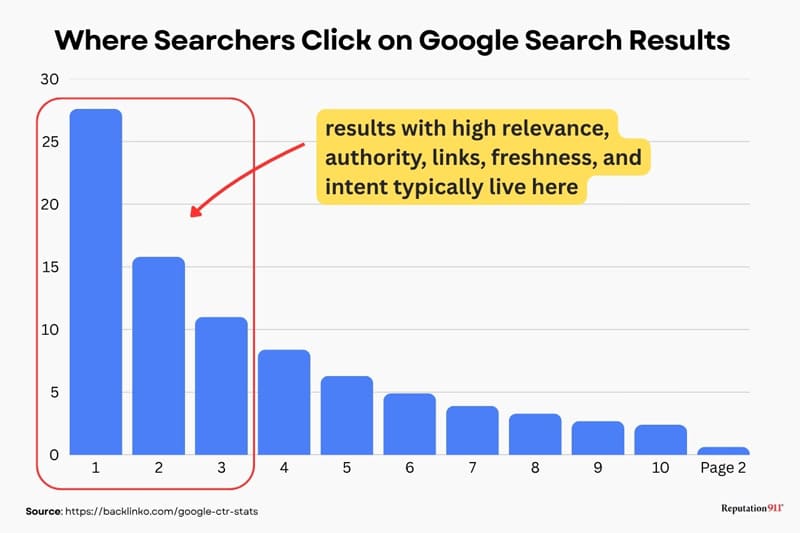
The goal of proactive reputation management is to build a strong, accurate search presence before you need it.
Proven Strategies to Proactively Improve Your Online Presence
Ready to take control of your online presence? These proven strategies can help you build a stronger, more positive digital presence.
1. Build a Personal Website
A personal website can serve as the central hub for your online reputation, giving you a platform you control to establish your professional identity and connect the different pieces of your online presence.
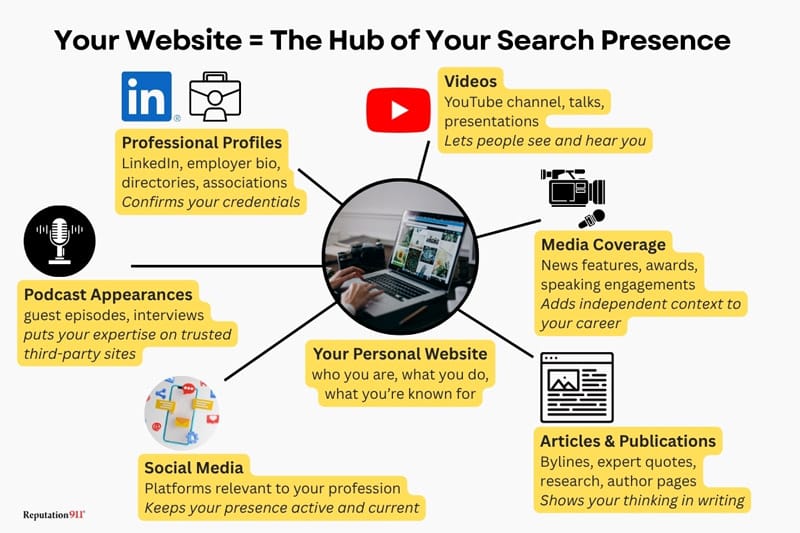
For years, high-profile individuals have benefited from Wikipedia pages that consolidate information about their careers, accomplishments, media coverage, and other notable activities. Most people do not meet Wikipedia’s notability requirements, but a personal website can serve a similar purpose by creating a centralized, authoritative source of information about you.
Your website can:
- Establish your professional identity
- Showcase your experience, accomplishments, and expertise
- Link to authoritative profiles and positive coverage
- Connect your social media, podcast appearances, interviews, and publications
- Provide context about your career that may not exist elsewhere online
- Help search engines understand who you are and what you are known for
- Give other websites a credible source to reference when covering you
Think of your personal website as a traffic director for your online reputation. It doesn’t control what appears in Google or on AI platforms, but it can build a clear network of authoritative information about you and direct people to the sources you want them to discover.
The goal is to create a website that clearly establishes who you are, what you do, and what you’re known for. From there, it can serve as the foundation for a broader search presence across authoritative websites, profiles, publications, and other online sources.
2. Establish Authoritative Professional Profiles
Professional profiles give people a quick way to confirm your background, and gives search engines more trusted sources connected to your name. Make sure your professional identity is accurately represented across relevant platforms.
Depending on your career, this could include:
- Professional organizations
- Employer or company websites
- University profiles
- Industry publications
- Professional directories
- Speaker profiles
- Author pages
- Social media profiles
Consistency matters. Your name, biography, credentials, professional experience, and areas of expertise should be represented accurately across these properties.
3. Build a Media Presence
Podcasts, interviews, articles, speaking engagements, and other media appearances can create additional authoritative content associated with your name.
For entrepreneurs and professionals, podcast appearances can be particularly useful because they create another opportunity for your name, expertise, and professional background to appear on an established third-party website.
These media appearances can help promote you positively in search results.
4. Create Video Content
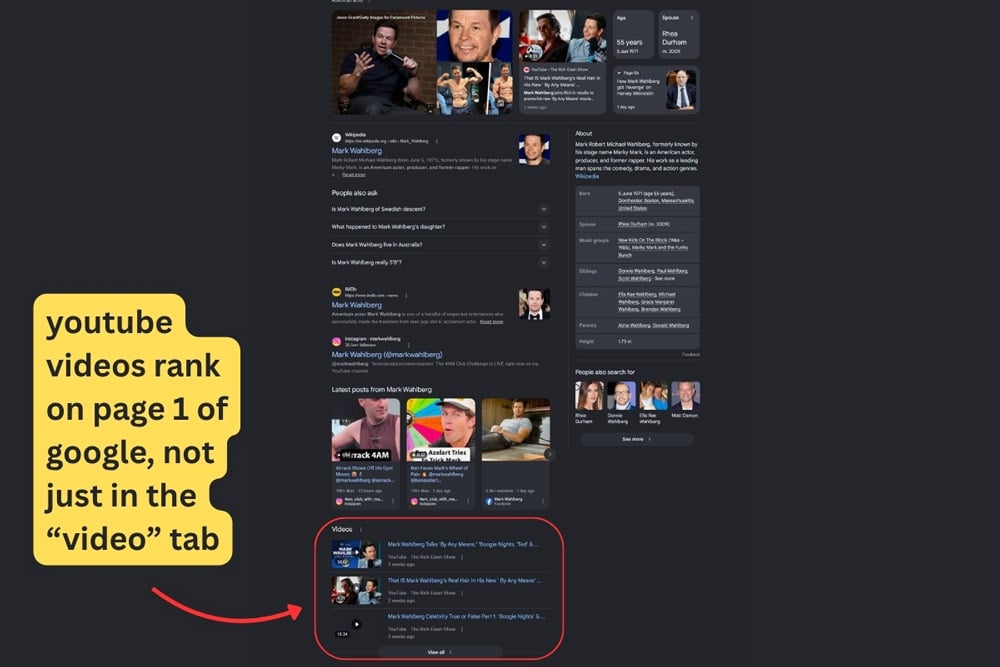
YouTube and other video platforms provide another way to establish your expertise and professional identity while creating additional content associated with your name.
Educational videos, interviews, presentations, and commentary can demonstrate your experience and expertise while giving people another way to learn about you and your work.
Consider creating a YouTube or Instagram account using your personal name and publishing videos focused on your profession, expertise, accomplishments, or areas of interest.
You don’t need to become a full-time content creator. Even a small library of high-quality videos can strengthen your online presence. Focus on topics that demonstrate your expertise and reinforce what you want people to associate with your name.
Over time, video content can help build a broader digital footprint around your name, giving people, search engines, and AI platforms more opportunities to discover consistent information about who you are, what you do, and what you are known for.
5. Develop Your Knowledge Graph
Search engines try to understand people as “entities”, connecting facts about who someone is, what they do, and who they’re associated with. Your online presence should make those connections clear.
Google organizes this information in its Knowledge Graph. According to Google, the Knowledge Graph has amassed over 500 billion facts about five billion entities, drawn from information shared across the web. For people with enough authoritative information online, Google may display a knowledge panel – the box that summarizes key facts about someone. It typically includes links to that person’s official website and social profiles.
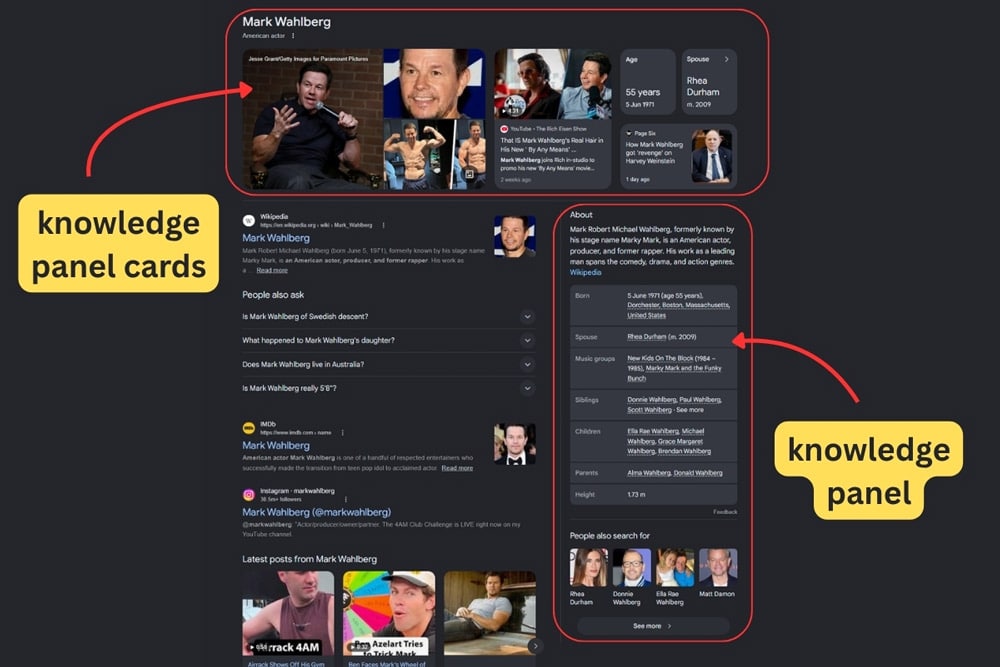
A consistent network of information across your website, professional profiles, publications, social accounts, media appearances, and other authoritative sources can help search engines better understand your identity and professional relationships. If a knowledge panel already appears for you, you may be able to claim it through Google’s verification process, which lets you suggest updates to the information shown.
6. Monitor Your Name Before There’s a Problem
If your name is directly tied to your career, you can’t wait for something negative to appear before you start searching for yourself.
Regularly monitor:
- Google search results
- News results
- Social media
- Professional profiles
- Images and videos
- Podcasts and interviews
- AI-powered search platforms
This helps you spot changes in your search presence early and address potential issues before they become larger reputation problems.
What If Negative Content Already Appears?
Proactive reputation management is most effective before a crisis, but you can apply the same principles after negative content appears.
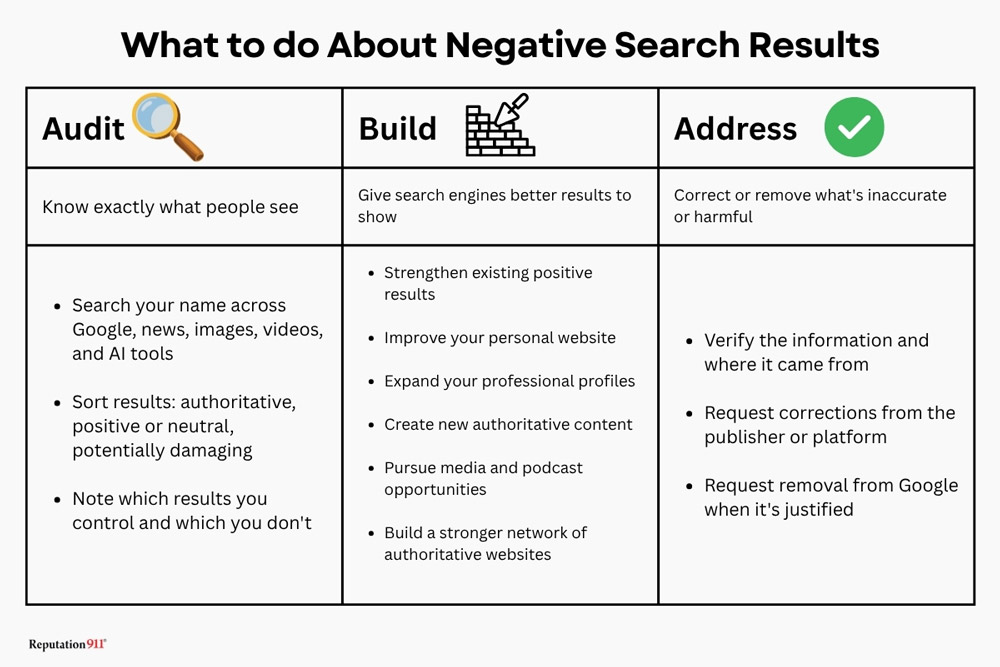
The first step is understanding what appears when someone searches your name and determining which results are authoritative, positive or neutral, and potentially damaging.
From there, a reputation strategy may focus on:
- Strengthening existing positive results
- Creating new authoritative content
- Improving your personal website
- Expanding your professional profiles
- Pursuing relevant media and podcast opportunities
- Building a stronger network of authoritative websites
- Addressing inaccurate or harmful content where appropriate
The objective isn’t to erase your history or manipulate search results. It’s to build a more complete and accurate representation of your professional identity online.
Take Control Before You Need To
For people whose names are closely tied to their careers, online reputation is an ongoing asset to build before a crisis occurs.
A personal website, authoritative profiles, media appearances, podcasts, videos, and other professional content can create a stronger foundation for your name in search.